
Barolo
Barolo is one of the world’s greatest red wines and the denomination that has done most to establish Piemonte’s international reputation. Produced exclusively from Nebbiolo, it combines remarkable aromatic complexity with structure, longevity and an unrivalled ability to express differences of site. Although Barolo is often regarded as a single wine, it is in reality a mosaic of diverse sites, soils and winemaking traditions, each producing its own distinctive expression of Nebbiolo. The principal soils are derived from Sant’Agata Fossili Marls, Diano Sandstones and Lequio Formation.
The denomination lies in the Langhe hills to the south-west of Alba and includes the entire village areas of Barolo, Castiglione Falletto and Serralunga d’Alba, together with parts of La Morra, Monforte d’Alba, Verduno, Novello, Grinzane Cavour, Diano d’Alba, Cherasco and Roddi. Around 2,200 hectares of Nebbiolo are now dedicated to Barolo, reflecting both the wine’s growing reputation and the changing climate, which has allowed vineyards to expand onto sites once considered too cool. Barolo was among Italy’s first DOCs (1966) and one of the country’s first four DOCGs (1980). The denomination is further divided into MGAs (subzones), 181 officially recognised Menzioni Geografiche Aggiuntive, of which 11 are the individual villages.
Barolo’s character is shaped by a remarkable combination of geology, elevation and climate. Differences in soils, valley orientation and elevation (220–540 m) create wines that vary significantly in structure, perfume and ageing potential, even between neighbouring vineyards.
The articles below explore Barolo through its producers, wines, vintages and history, providing a guide to one of the world’s most fascinating wine denominations.
Barolo at a Glance
Location
Langhe hills, around 20 km south-west of Alba, Piemonte.
Vineyard area
3,430 ha, of which around 2,260 ha are planted to Nebbiolo for Barolo. (2024)
Grape variety
100% Nebbiolo.
Minimum ageing
38 months from 1 November of the harvest year, including at least 18 months in wood. For Riserva wines, 62 months from 1 November of the harvest year.
Typical style
A considerable range, but typically the most full-bodied style of Nebbiolo with exceptional capacity to age in the bottle.
Discover Barolo in greater depth
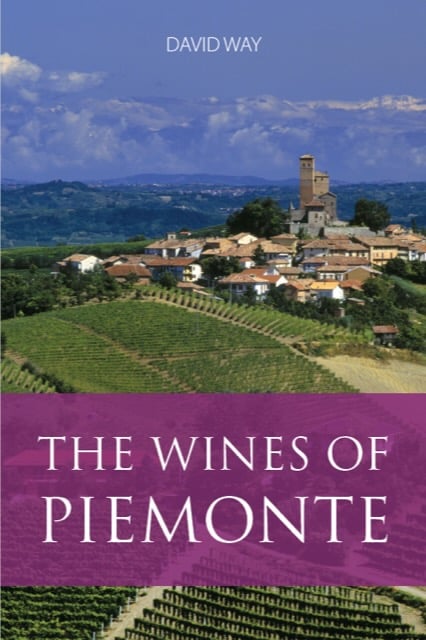
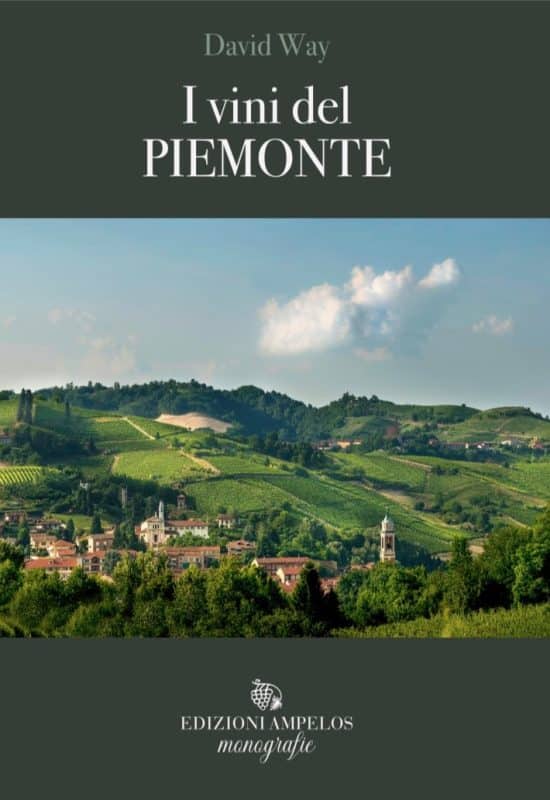
For a comprehensive guide to Barolo’s history, vineyards, producers and wines, explore my award-winning book The Wines of Piemonte, available in both English and Italian. Click either cover for more information.
Click on the links below to explore producers, tastings, books and resources, and visiting the region.
Producers
A visit to Mauro Veglio, examining how careful vineyard management and thoughtful winemaking shape elegant, site-driven expressions of Barolo.
Exploring the diversity of Barolo through contrasting vineyard sites, soils, viticulture and winemaking, from Cannubi and Mosconi to Gramolere and Castelletto.
A visit to one of Monforte d’Alba’s leading estates, comparing two single-vineyard Barolos that demonstrate how soils and site shape contrasting expressions of Nebbiolo.
A comparative tasting of Barolo and Barbaresco, examining the evolution of Nebbiolo from youthful perfume and austerity to mature complexity.
A visit to one of Barolo’s most historic estates, exploring Renato Ratti’s pioneering influence on cru classification, an architecturally striking winery and elegant wines from Rocche.
An early visit to the Cogno family in Novello, highlighting the character of the Ravera cru and the estate’s thoughtful, traditionally styled Barolos.
.
Wine Reviews and Vertical Tastings
- Start here: My reflection on assessing vintages
- Piemonte 2016 vintage, 10 years on
- Mascarello Monprivato vertical
- Borgogno Giacomo vertical
- A second Borgogno Barolo Riserva vertical
- G.D. Vajra Barolo vertical
- Sordo Barolo vertical
- Ceretto Barolo vertical
- Fontanafredda Vigna La Rosa vertical
- A second Vigna La Rosa vertical
- Vigna Rionda tasting
- Nebbiolo Prima 2024
Visiting Barolo
An introduction to the Langhe, capturing the excitement of arriving in Barolo country and discovering its villages, food, wines and landscapes.
Highlights from an intensive Barolo tour, including outstanding producer visits, insights into the 2022 vintage and the final research for The Wines of Piemonte.
Books and Resources
Why Alessandro Masnaghetti’s maps, books and online resources have become indispensable tools for understanding the vineyards and terroirs of Barolo and Barbaresco.
Looking back at the first major English-language book on Barolo and Barbaresco, and how the wines, vineyards and reputation of the Langhe have evolved over the past thirty years.
Return to the Piemonte homepage
