
Roero
Only a short drive from Barolo and Barbaresco, Roero remains one of Piemonte’s most overlooked wine regions. While it first gained recognition for its expressive Arneis, the region also produces outstanding Nebbiolo and Barbera that deserve far greater attention. Less crowded than the Langhe, Roero rewards visitors with beautiful scenery, welcoming wineries and wines of remarkable character.
Overview
Situated on the left bank of the Tanaro River, opposite Barolo and Barbaresco, Roero occupies a landscape that is both familiar and strikingly different. The rolling hills are generally lower than those of the Langhe but are often steep, while the spectacular sandstone cliffs known as the Rocche form one of Piemonte’s most distinctive natural landmarks. Beyond the vineyards, fruit orchards, woodland and mixed farming contribute to a varied rural landscape. The region takes its name from the medieval Roero family, who ruled much of the area during the feudal period.
Terroir
Although Roero, Barolo and Barbaresco once shared the same ancient seabed of the Golfo Padano, their geological histories later diverged. Sediments eroded from the rising Langhe hills were deposited across Roero before millions of years of erosion created today’s predominantly sandy soils. Around 60 per cent of Roero’s vineyards are planted on sand, together with marl, sandstone, clay and smaller amounts of limestone.
These free-draining soils are central to the region’s identity, producing wines that are typically fragrant, elegant and finely textured. They also present a significant challenge for growers, as the vineyards retain little moisture during increasingly dry summers. Water management has therefore become one of the region’s most important viticultural issues.
Wines
Roero’s reputation today rests largely on Arneis, the region’s signature white grape. Capable of producing fresh, aromatic wines as well as more complex examples with ageing potential, it has become one of Piemonte’s most successful white varieties.
The region’s red wines are made predominantly from Nebbiolo, producing a style that is generally more approachable in youth than Barolo or Barbaresco while retaining the grape’s characteristic perfume, elegance and structure. Barbera also performs well on the sandy soils and remains an important part of the region’s viticultural heritage.
Roero at a Glance
Location
North of the Tanaro River, opposite Barolo and Barbaresco.
Principal grapes
Arneis, Nebbiolo, Barbera.
Vineyard area
1,030 ha (830 Arneis; 195 Nebbiolo)
Key wines
Roero Arneis DOCG, Roero DOCG
DOCG status
2004 (DOC from 1985)
Soils
Predominantly sandy, with marl, sandstone and clay
Landscape
Steep sandy hills, vineyards and the dramatic Rocche cliffs.
Character
Fragrant, elegant wines with freshness and finesse.
Known for
Arneis and approachable Nebbiolo.
Discover Piemonte in greater depth
For a comprehensive guide to Roero’s history, vineyards, producers and wines, explore my award-winning book The Wines of Piemonte, available in both English and Italian. Click either cover for more information.
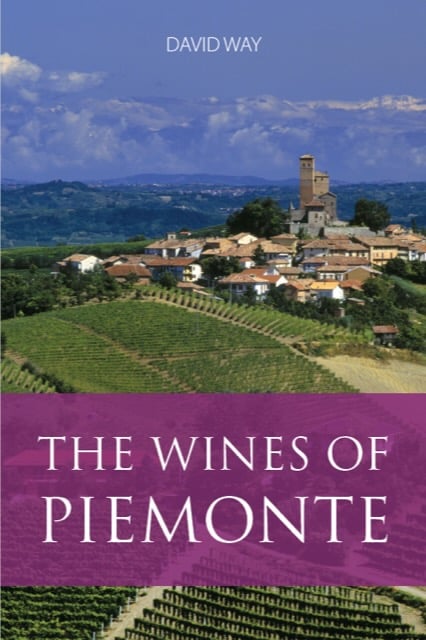
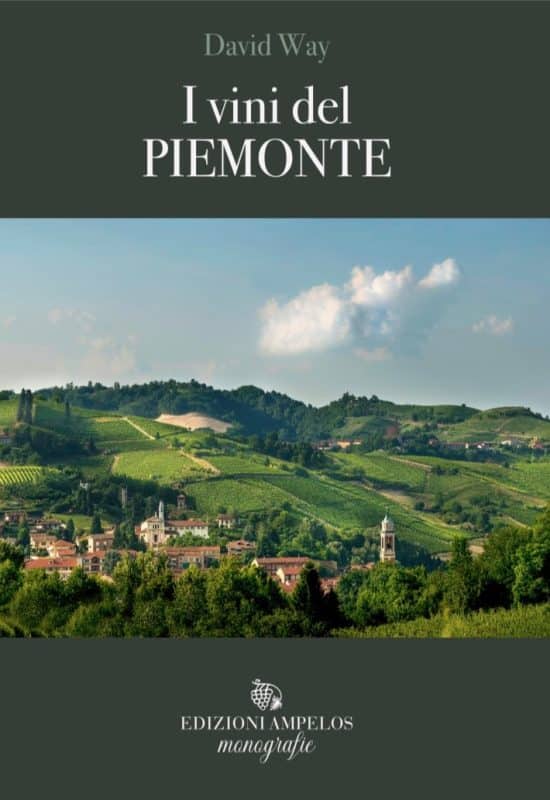
Click on the links below to explore producers, tastings, books and resources, and visiting the region.
| In 2025, I published a major study demonstrating the growing importance and vineyard area of white grapes in Piemonte. Previously thought of as the region of Nebbiolo, Barbera and Dolcetto, the article reveals that white grapes are now up to 40 per cent of the vineyard area. Native varieties dominate. And, to my surprise, Arneis has seen the biggest increase in plantings. Read more here. |
Producers
| Profile of one of Roero’s leading producers and its contribution to the modern reputation of Roero wines. |
| Visit to one of Roero’s benchmark estates, renowned for both Arneis and Nebbiolo. |
| A visit to one of Roero’s most distinctive producers, combining organic and biodynamic principles. |
| Tasting through the wines of Roero, white and red, exploring one of Piemonte’s most underrated regions. |
Tastings
| Comparison of two outstanding Nebbiolos from Roero (Sandrone) and Terre Alfieri, demonstrating quality beyond Barolo and Barbaresco. |
Books and Resources
| A comprehensive digital guide to Roero, covering the region’s terroir, grape varieties, wines and producers, illustrated with outstanding photography and detailed vineyard maps. Regularly updated since its first publication in 2015, with the latest edition released in November 2023.A comprehensive digital guide to Roero, covering the region’s terroir, grape varieties, wines and producers, illustrated with outstanding photography and detailed vineyard maps. Regularly updated since its first publication in 2015, with the latest edition released in November 2023. |
Return to the Piemonte homepage.
